Balcony vs. Inside Cabin — The Honest Math
The price gap between an inside and a balcony cabin is rarely worth it — except in the four cases where it absolutely is.
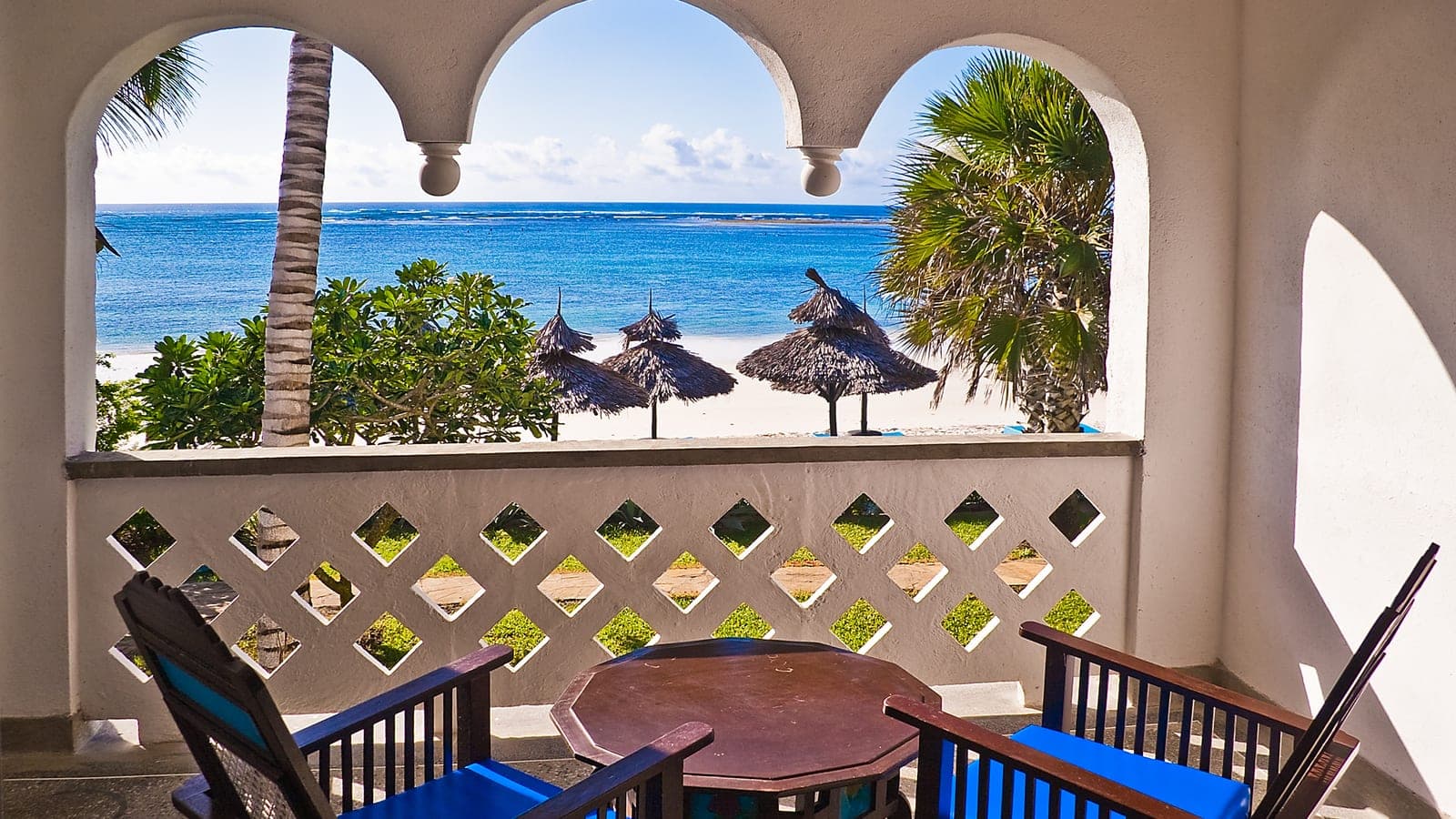
The balcony-versus-inside debate is the most common booking question the editorial team receives. The short answer: the price gap is rarely worth it for short Caribbean sailings, and almost always worth it for Alaska, Norwegian fjords, and any sailing 10+ nights. The longer answer involves cabin location, ship class, deck level, and the specific traveler. This guide walks through the math and the four cases where the balcony unambiguously wins.
The price gap
On a 7-night Caribbean sailing, the gap between a comparable inside cabin and a balcony is typically $400-$900 per person. The same money buys two specialty dinners, a drink package, or a much nicer hotel stay before or after the cruise. The price gap widens on premium-mainstream lines (Celebrity, Disney) and compresses on value-mainstream lines (Carnival, MSC outside Yacht Club).
The smarter framing: what do travelers gain for the delta, and what would the same delta buy elsewhere on the booking? On a 4-night Bahamas sailing where most guests will be in the cabin only to sleep, the inside is the rational pick. On a 12-night trans-Atlantic where travelers will be in the cabin substantially more, the balcony pays back as quiet personal space.
When the balcony is worth it
1. Alaska or Norwegian fjords. The scenery is the entire point. Book a balcony. The ability to step outside in pajamas when the captain announces a bear sighting is the single strongest reason. The deeper read is in Alaska cruises — which itinerary, which line.
2. Trans-Atlantic, repositioning, or any 10+ night sailing. Travelers will spend more time in the cabin. The balcony pays back as quiet personal space. The deeper read is in repositioning cruises — the deep-value play.
3. Cabin fever risk. For travelers who know they will need to step outside without going to a public deck — light sleepers, introverts, anyone with sensory sensitivities — the balcony is the difference between a relaxed week and an anxious one.
4. Aft balcony. Aft cabins on most ships are larger, with wraparound or oversized balconies that feel like a small terrace. Always priced as a standard balcony — they go fast. The aft cabins on Carnival's Excel-class (Excel Aft Suites), Norwegian's Encore (Aft-Facing Penthouses), and Royal's Wonder are particularly strong picks.
When the inside cabin wins
Short Caribbean sailings (3-5 nights) where travelers will be in the cabin only to sleep. The savings buys more onboard.
Family cabins where the room is functionally a closet — Disney's Deluxe Family Inside cabins on the Wonder and Magic, Royal's Surfside Family Inside on Icon-class, MSC's Bella interior cabins. The split bath designs make them surprisingly workable for families of four at meaningfully lower cost than the balcony equivalent.
Virtual balcony cabins on Royal Caribbean (Quantum, Anthem, Ovation, Spectrum, Odyssey, Icon) are interior cabins with a wall-sized live-feed of the ocean from a top-deck camera. The same square footage but markedly less claustrophobic. The smartest interior pick on any Royal ship.
Inside cabin tips
- Pick a quiet location: mid-ship, deck 6-8, away from elevators and crew service doors
- Pack a small nightlight or use the phone flashlight — interior cabins are pitch dark
- The room steward will show the hidden storage on day one if asked
- Inside cabins on connecting-cabin doors (the doors that join two adjacent cabins) are slightly noisier; ask the booking agent to confirm whether the cabin has a connecting door before locking it in
- Travelers prone to sea sickness should book mid-ship deck 6-8 regardless of category — the cabin location matters more than the balcony category for motion comfort
Oceanview — the underrated middle ground
Oceanview cabins (a window but no balcony) are typically priced 20-40% above an interior and 40-60% below a balcony. The window meaningfully improves the cabin's feel — natural light at sunrise, a sense of orientation, a view of the seascape — without the full balcony price. For travelers who want the natural light but do not need outdoor cabin access, the oceanview is the smart middle pick.
Oceanview cabins also tend to be on lower decks (4-6 on most ships), which is the calmest motion-comfort zone. Travelers prone to sea sickness should consider an oceanview on deck 5-6 mid-ship over a higher-deck balcony.
Balcony cabins by ship class
Balcony cabin sizing varies meaningfully by ship class. The deeper read is in choosing a cabin by ship class, but the headline picks:
- Norwegian Prima class — 218 sq ft total balconies, the largest mainstream standard balcony at sea
- Carnival Excel class — 188 sq ft + 35 sq ft balcony, with strong soundproofing
- Royal Caribbean Icon class — 153-180 sq ft depending on category; Central Park-view is the quiet pick
- Celebrity Edge class — Infinite Veranda is divisive but works; Sunset Veranda aft is one of the standout rooms in the fleet
- Disney Triton class — Deluxe Family Oceanview with verandah is the family sweet spot
- MSC Seaside EVO class — 172 sq ft (small for the segment); the Yacht Club is the headline category instead
Cabin location — the under-discussed variable
Cabin location matters more than category for most travelers. The general rules:
- Mid-ship, deck 6-8 is the calmest motion-comfort zone
- Aft cabins get the wake view but vibrate when the engines work hard
- Forward cabins on high decks rock the most in any swell
- Avoid cabins directly above or below the main theater, the disco, the casino, or the pool deck — noise carries
- Avoid cabins adjacent to crew service doors (typically the cabins at the very end of a hallway or next to a fire door) — the slamming door at 3 a.m. happens
- Connecting cabins are slightly noisier than non-connecting cabins of the same category
A mid-ship deck 7 oceanview cabin is a meaningfully better booking than a forward deck 14 balcony for travelers who care about quiet sleep.
Bid-up programs and last-minute upgrades
Most lines now offer paid bid-up programs ('Royal Up', 'Carnival Cabin Upgrades', NCL CruiseNext bids, MSC Status Match) where travelers bid on a higher cabin category 1-3 weeks before sailing. The minimum bid is usually a fair starting point but the upper end of the range almost always wins. The smartest play: bid the minimum on multiple categories at once (interior to oceanview, oceanview to balcony, balcony to mini-suite), and let the system upgrade whichever lands first.
This is the most common path for travelers booking inside cabins to end up in a balcony for a discount over the published price. A successful bid typically lands at 30-50% off the published price difference between the two categories.
Editorial methodology
Guides on My Cruise Checklist are researched against the editorial team's sailing logs, current published cruise-line collateral, and direct conversations with shoreside operations staff at the major lines. Pricing references are gathered as ranges across multiple booking windows and sailing seasons rather than single quotes, since cruise pricing moves daily and a single screenshot is rarely a useful reference 90 days later. Where a guide names a specific venue, package, or fare structure, the editorial team has either booked it directly within the prior 12 months or verified the details against a current cruise-line publication, never against a third-party aggregator.
Guides are reviewed on a 12-month cadence, with interim updates triggered by material changes — new cabin categories, restructured loyalty programs, replaced casual venues, or itinerary deployment shifts. Each update note is captured in the editorial changelog and surfaced on the article page so travelers can see exactly when a guide last reflected the live state of the product. Travelers planning sailings more than 18 months out should treat pricing references as directional rather than precise, since cruise lines reprice published fares twice yearly on average and quietly adjust included-package contents on a similar cadence.
The editorial team does not accept payment, free travel, or revenue-share arrangements from cruise lines, port operators, or travel agencies. The site has no affiliate links to booking engines and does not earn a commission on bookings made by readers. Reader-suggested corrections are reviewed within a week and, when verified, applied with an updated published date and a short changelog note. Editorial complaints, factual disputes, or requests to revisit a specific recommendation can be sent through the contact form linked from every page footer; replies typically land within three business days.
Related reading
Get the next ship review in your inbox.
One email per week with our latest cruise reviews and planning guides. No spam, no affiliate pitches, unsubscribe any time.