Choosing a Cabin by Ship Class — A Deep Reference
Cabin tier breakdowns by ship class for the major mainstream lines. Which categories actually deliver the upgrade.
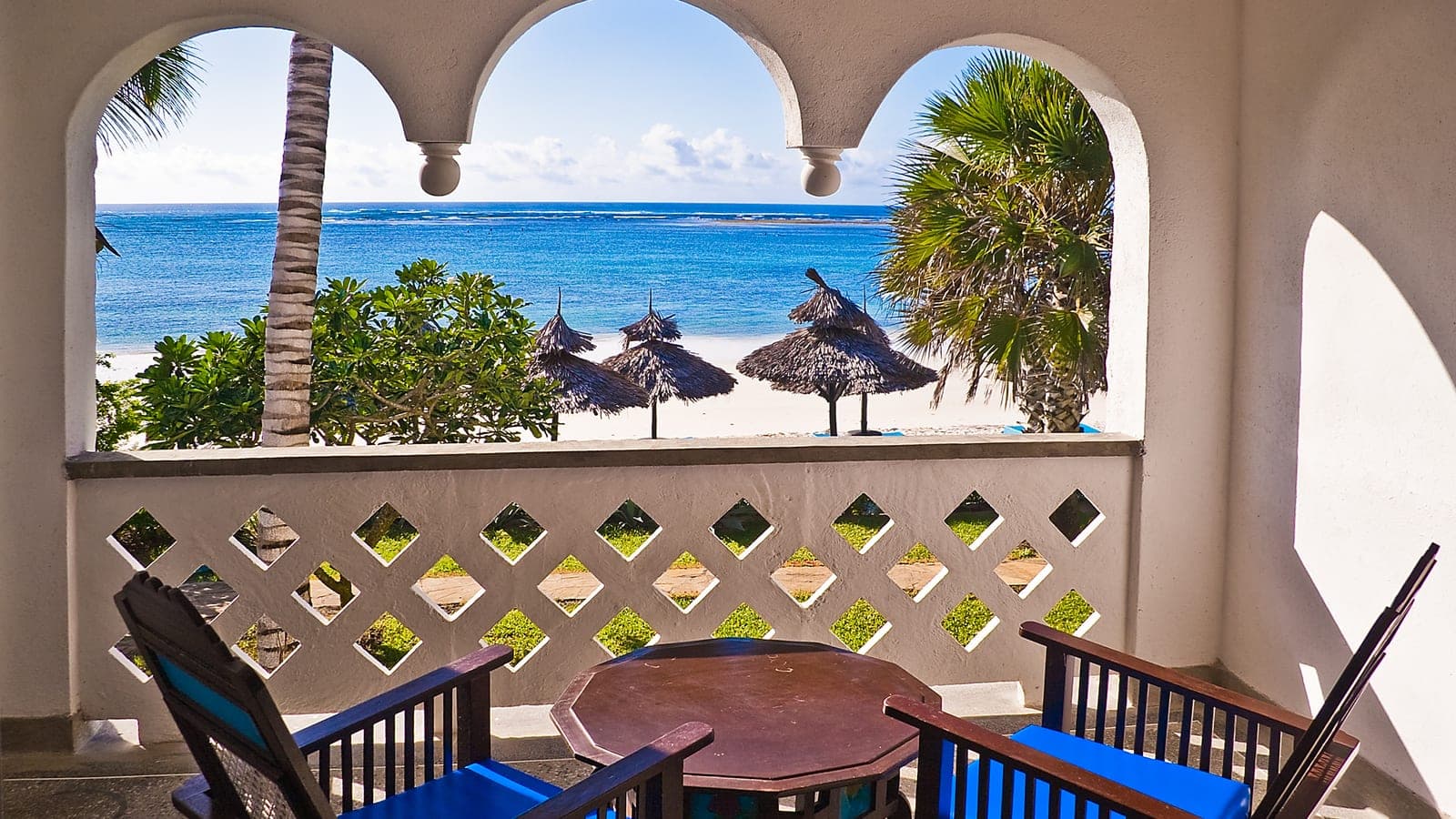
Cabin selection on a modern cruise ship is more complex than on a hotel booking and the published cabin categories often obscure meaningful differences in actual square footage, balcony size, location, and included services. This guide is the deep reference: ship-class-by-ship-class breakdowns of which cabin tiers actually deliver an upgrade, which are the smart value picks, and which categories should be skipped in favor of a different category at the same price.
How cruise cabin categories actually work
Every cruise line publishes a cabin category list with letter or number codes that map to a tier hierarchy: interior, oceanview, balcony, mini-suite, suite, premium suite, owner's suite. The named categories often blur the meaningful differences. Two 'balcony' cabins on the same ship can be 20% different in square footage; two 'suite' categories can include or exclude the line's premium dining venue.
The practical reality: travelers should compare cabins by total square footage, balcony square footage, deck level, location (forward, mid-ship, aft), and included services (suite-restaurant access, concierge, butler, lounge access). The category code is a starting point, not the answer.
Royal Caribbean — Icon class
Interior cabins start at 153 sq ft and skew tight. The Surfside Family view rooms in the family neighborhood are a meaningfully better pick for travelers with kids and only run a small premium.
Central Park balcony cabins look down into the open-air park — quiet by mainstream-cruising standards and a strong choice for couples. The Boardwalk-view balcony is the activity-facing equivalent and noisier until the AquaTheater closes around 11 p.m.
Ocean-view balcony cabins on decks 8-11 are the standard pick. Aft cabins on this class are limited but excellent.
The new Suite Neighborhood (Sky Junior Suite and above) unlocks Coastal Kitchen 2.0, a private sun deck, and concierge service, and is the single strongest premium-suite product Royal Caribbean has built. Star Class suites add a Royal Genie service that is genuinely a step above and the headline reason to book the top tier.
The Ultimate Family Townhouse — three-story, private slide, books a year out — is the headline family-suite category and worth the meaningful premium for travelers who can use it.
Royal Caribbean — Oasis class
Interior cabins with virtual balconies (a real-time live-feed of the ocean view from a top-deck camera) are the smartest interior pick on any Royal ship — the same square footage but markedly less claustrophobic. Boardwalk-view balcony cabins are noisy until the AquaTheater closes around 11 p.m.; Central Park-view balcony cabins are the quiet alternative at the same price.
Grand Suites and the Suite Neighborhood add Coastal Kitchen access, which is the most consistent dining venue on any Oasis-class ship. The aft Suite Neighborhood cabins on Wonder of the Seas in particular are some of the leading mid-tier suite cabins in the fleet.
Royal Caribbean — Quantum class
Quantum-class ships were Royal's first to introduce virtual balcony interior cabins. They remain the smartest interior pick on this class. Balcony cabins are functional rather than memorable; the Junior Suite category is the value upgrade pick.
The class is also Royal's Alaska workhorse. Travelers booking Alaska on Quantum-class ships should book a starboard balcony for northbound itineraries and port-side for southbound — the wake-and-coastline views align that way.
Carnival — Excel class
Interior cabins at 158 sq ft are well suited to two adults who plan to be in the cabin only for sleep.
Balcony cabins at 188 sq ft plus a 35 sq ft balcony are the sweet-spot recommendation for couples.
Cloud 9 Spa cabins include thermal suite access and are worth the upcharge for travelers who plan to use the spa twice or more across the week.
Family Harbor cabins include a dedicated lounge with all-day food and beverage and are one of the strongest family-cabin upgrades in the segment. The lounge alone justifies the premium for families with kids.
Excel Aft Suites carry one of the leading balcony-to-square-footage ratios in the mainstream fleet — they go fast and rarely show up in last-minute upgrade auctions. Travelers willing to spend in suite territory should book one specifically.
Excel Presidential Suite is the top tier and includes butler service, a private balcony hot tub, and priority everything. Books a year out at peak weeks.
Carnival — Vista and Dream classes
Older Carnival hardware. Standard balcony cabins are functional but smaller than the Excel-class equivalents. The Havana Cabana category on Vista, Horizon, and Panorama (a private cabana suite with access to a private adults-only pool deck) is genuinely a value play for couples — meaningfully better than a standard balcony at a moderate premium.
For families, the connecting balcony pair is the standard setup. The line's Family Harbor concept did not exist on these ships; travelers who want the lounge access should book Excel-class instead.
Norwegian — Prima class
Prima-class cabins are larger across every category than the older Breakaway hulls. Standard balcony cabins run 218 sq ft total — among the largest mainstream balconies at sea.
Club Balcony Suites unlock priority embarkation and a private sun deck without the full Haven premium. The value upgrade pick on this class.
The Haven is Norwegian's premium-suite product: a private restaurant, private courtyard pool, and butler service that earns its meaningful price premium on long itineraries. The Haven on Prima class is the line's strongest premium product and the headline reason to book this class over the Breakaway Plus.
The Haven Penthouse and Haven Two-Bedroom family suites are the family-friendly luxury bargain on Norwegian.
Norwegian — Breakaway Plus class
Breakaway Plus standard interiors are tight (135 sq ft) and a tougher recommendation for more than two travelers.
Mini-suites at 269 sq ft are a meaningful step up and the value pick on this class.
The Haven product — three-bedroom villas at the top — remains one of the leading ship-within-a-ship suites in mainstream cruising. Aft-Facing Penthouse on the Encore is one of the standout cabins in mainstream cruising — 502 sq ft interior plus a 280 sq ft wraparound aft balcony.
The Studio cabins (160 sq ft single-occupancy interior cabins with no single supplement) are the line's solo-traveler product and the strongest solo cabin in mainstream cruising. The deeper read is in solo cruise — which lines actually welcome singles.
Disney — Triton class (Wish, Treasure, Destiny)
Disney Wish staterooms are visibly more polished than the Dream-class rooms they succeeded.
Inside cabins at 169 sq ft are the smallest in the line but include a clever bath split (toilet in one room, bath/shower in the other) that makes them workable for families of four.
Deluxe Family Oceanview with verandah rooms at 241 sq ft are the family sweet spot. The split bath plus a balcony plus a day-bed nook for a third or fourth traveler is the most kid-functional cabin design in mainstream cruising.
Concierge category opens a dedicated lounge, sun deck, and reservations team.
Concierge Royal Suite and the higher categories include a private wraparound balcony and a media room. They price like a small luxury vacation but deliver service and inclusions that justify the spend for travelers willing to commit.
Disney — Dream class (Dream, Fantasy)
Dream-class staterooms are showing their age but still useful for families. The split-bath layout works for families of four, and the Deluxe Family Oceanview Stateroom (concept original to Dream/Fantasy) remains one of the most kid-functional cabins at sea. The Concierge tier on deck 12 is quieter than the equivalent on the Wish.
MSC — Seaside EVO class
MSC Seascape standard balconies run 172 sq ft — small by US-line standards. The bigger story is the Yacht Club: a ship-within-a-ship of suites with a private restaurant, private pool, butler service, and 24-hour lounge food and drink.
Yacht Club Deluxe Suites for two on a 7-night Caribbean run roughly $4,500-$5,800 — comparable Royal Caribbean suite pricing is meaningfully higher for a similar bundle of inclusions. The Yacht Club is the headline category on MSC ships and the editorial recommendation for milestone-trip travelers.
Outside the Yacht Club, the Bella interior is the value floor and the Aurea balcony (drinks-included tier) is the sweet-spot upgrade for travelers who want a bundle without the suite spend. The deeper read is in the MSC Seascape review.
Celebrity — Edge class
Edge-class cabins are the most design-forward in mainstream cruising. The signature Infinite Veranda cabin uses a window-wall that retracts to convert the bow of the room into a balcony — divisive, but the editorial verdict is positive.
For a true open-air balcony at all times, Sunset Veranda aft cabins are some of the standout rooms in the fleet — large wraparound balconies with side-facing chairs, a full dining table, and unobstructed wake views.
Aqua Class rooms include access to Blu restaurant, the top free dining venue in mainstream cruising. Aqua Class is the smartest single upgrade on Edge-class ships.
The Retreat (suite class) adds a private restaurant (Luminae), a private pool deck, a private lounge with all-day food and beverage, and butler service. A meaningful step up at a meaningful price.
Cabin location — the universal rules
Cabin location matters more than category for most travelers. The general rules apply across every ship:
- Mid-ship, deck 6-8 is the calmest motion-comfort zone
- Aft cabins get the wake view but vibrate when the engines work hard
- Forward cabins on high decks rock the most in any swell
- Avoid cabins directly above or below the main theater, the disco, the casino, or the pool deck
- Avoid cabins adjacent to crew service doors
- Connecting cabins are slightly noisier than non-connecting cabins of the same category
A mid-ship deck 7 oceanview is a meaningfully better booking than a forward deck 14 balcony for travelers who care about quiet sleep.
Accessible cabins
Every major line offers accessible cabins (typically labeled 'Wheelchair Accessible' or 'Modified Accessible') with widened doorways, roll-in showers, and grab bars. Inventory is limited and books out months ahead. Travelers needing an accessible cabin should book early; the deeper read is in accessibility at sea — the honest guide.
Editorial methodology
Guides on My Cruise Checklist are researched against the editorial team's sailing logs, current published cruise-line collateral, and direct conversations with shoreside operations staff at the major lines. Pricing references are gathered as ranges across multiple booking windows and sailing seasons rather than single quotes, since cruise pricing moves daily and a single screenshot is rarely a useful reference 90 days later. Where a guide names a specific venue, package, or fare structure, the editorial team has either booked it directly within the prior 12 months or verified the details against a current cruise-line publication, never against a third-party aggregator.
Guides are reviewed on a 12-month cadence, with interim updates triggered by material changes — new cabin categories, restructured loyalty programs, replaced casual venues, or itinerary deployment shifts. Each update note is captured in the editorial changelog and surfaced on the article page so travelers can see exactly when a guide last reflected the live state of the product. Travelers planning sailings more than 18 months out should treat pricing references as directional rather than precise, since cruise lines reprice published fares twice yearly on average and quietly adjust included-package contents on a similar cadence.
The editorial team does not accept payment, free travel, or revenue-share arrangements from cruise lines, port operators, or travel agencies. The site has no affiliate links to booking engines and does not earn a commission on bookings made by readers. Reader-suggested corrections are reviewed within a week and, when verified, applied with an updated published date and a short changelog note. Editorial complaints, factual disputes, or requests to revisit a specific recommendation can be sent through the contact form linked from every page footer; replies typically land within three business days.
Related reading
Get the next ship review in your inbox.
One email per week with our latest cruise reviews and planning guides. No spam, no affiliate pitches, unsubscribe any time.