Repositioning Cruises — The Deep-Value Play
Trans-Atlantic and trans-Pacific repositioning sailings deliver more cruise per dollar than any other category. Here's how to use them.

Repositioning cruises — the seasonal moves that bring ships from one region to another twice a year — are the deepest per-night value in mainstream cruising. A 12-14 night trans-Atlantic balcony cabin in the spring repositioning window often prices at the same per-night rate as a 7-night Caribbean. Travelers who can spend the time get more cruise per dollar than any other category. This guide covers the standard repositioning routes, when each runs, which lines run the strongest version, what to expect onboard, and the practical considerations (one-way flights, extended sea days) that determine whether the trip works for a given traveler.
What a repositioning cruise actually is
Cruise lines run regional itineraries seasonally — the Caribbean fleet shifts to the Mediterranean for the European summer, the Alaska fleet shifts to the Mexican Riviera for the off-season, the Mediterranean fleet rotates back to the Caribbean for the winter, and the Asia-Pacific operations have their own seasonal moves. The transition cruise — a one-way sailing from one region to another — is the 'repositioning' cruise. The line needs to move the ship; selling tickets along the way is more profitable than empty deadhead crossings.
The pricing reflects the operational reality. The line is going to make the move regardless; the marginal revenue from selling cabins is welcome but not strictly necessary. The result: meaningfully discounted per-night rates on cruises that are typically 10-16 nights long with a high proportion of sea days.
Standard repositioning routes
Trans-Atlantic eastbound (April-May) — Caribbean to Mediterranean. Typically 12-15 nights, with 6-9 sea days and 2-4 port stops in the Azores, Madeira, and the Iberian Peninsula. Lines: Royal Caribbean, Celebrity, Norwegian, MSC, Holland America, Princess, Cunard. The editorial sweet spot is a 14-night Fort Lauderdale to Barcelona on Celebrity Edge-class or a Royal Caribbean Voyager-class.
Trans-Atlantic westbound (October-November) — Mediterranean to Caribbean. Typically 12-15 nights, similar port pattern. Often slightly cheaper than the spring eastbound because the timing is less favorable for travelers wanting to start a European trip.
Panama Canal (April-May and September-October) — repositioning between the Caribbean/East Coast and the West Coast/Alaska. 14-17 nights with the canal transit as the headline scenic day. Lines: Princess, Holland America, Norwegian, Royal Caribbean. The editorial pick for travelers who want to see the Panama Canal as part of a longer cruise.
Mexican Riviera repositioning (April and October) — Alaska fleet to Mexican Riviera or back. 5-7 nights, fewer sea days, the most accessible repositioning for West Coast travelers.
Trans-Pacific (April-May and October-November) — Mexican Riviera or Hawaii to a Pacific Rim destination. The longest repositioning sailings (16-22 nights) and the deepest per-night value. Lines: Princess, Holland America, Cunard.
Hawaii repositioning — short-leg Hawaii to West Coast. 4-7 nights with mostly sea days. The editorial pick for travelers who want a Hawaii cruise without the trans-Pacific commitment.
What to expect onboard
Repositioning cruises have a meaningfully different onboard culture than standard regional sailings:
- High proportion of sea days. A 14-night trans-Atlantic with 8 sea days is typical. Travelers who like sea days will love the structure; travelers who need port-day stimulation will struggle.
- Heavy enrichment programming. Lines lean into lectures, dance classes, cooking demonstrations, language classes, and the structured trivia/games circuit. The onboard pace is designed for travelers spending consecutive sea days.
- An older, more experienced onboard demographic. The travelers who can take 14 days off in the spring tend to skew toward retirees and seasoned cruisers. The crowd is generally calmer than a school-holiday Caribbean run.
- Strong solo-traveler representation. Repositioning cruises attract a high proportion of solo travelers, who typically dominate the group dining tables and the structured social activities. The deeper read is in solo cruise — which lines actually welcome singles.
- Quieter evenings. The bar venues run quieter than on a standard Caribbean sailing. The piano lounges, the cigar lounges (where the ship has them), and the smaller specialty venues are typically the busier evening spots.
Lines, briefly
Celebrity runs the strongest trans-Atlantic repositioning fleet. Edge-class ships in the spring eastbound from Fort Lauderdale to Barcelona or Civitavecchia are the editorial standout. The food, the design, and the quieter evening pace work exceptionally well for the long sea-day stretches. The deeper read is in the Celebrity Ascent review.
Princess runs the deepest Panama Canal program and the strongest trans-Pacific repositioning lineup. The line's enrichment programming (the Discovery at Sea series) is genuinely substantive on long sea-day stretches.
Holland America runs the strongest culinary program in the repositioning segment and the deepest pre/post-cruise tour packages.
Royal Caribbean runs trans-Atlantic repositionings on the Voyager-class and Freedom-class hulls. Less enrichment-focused than the premium lines but a strong family option for trans-Atlantic timing.
Cunard runs the trans-Atlantic crossing on Queen Mary 2 — the only purpose-built trans-Atlantic ocean liner currently sailing. The crossing is a different product than a repositioning cruise: 7 days, no port stops, the most formal onboard culture in mainstream cruising. Worth doing once.
Norwegian runs trans-Atlantic repositionings on the Breakaway-class and Prima-class hulls. The Free at Sea bundle works particularly well on long sailings where the per-night package value compounds.
MSC runs the most-Caribbean-flavored trans-Atlantic repositioning fleet. The Yacht Club on the trans-Atlantic crossing is the editorial bargain pick — meaningfully discounted from a comparable Caribbean Yacht Club booking. The deeper read is in the MSC Seascape Yacht Club review.
Practical considerations
One-way flights. The flight home (or to the start) is a real consideration. A trans-Atlantic from Fort Lauderdale to Barcelona requires a one-way flight from Barcelona back to the US. One-way international tickets in spring are usually meaningfully more expensive than round-trip. Travelers should price the one-way flight before committing to the cruise.
Time-zone shifts. Trans-Atlantic eastbound shifts the clock 5-6 hours forward over the course of the sailing. Most lines spread the shift across multiple nights (clocks forward by an hour every other night). Trans-Pacific westbound is even more dramatic and crosses the international date line.
Pre/post-cruise hotel stays. A Mediterranean repositioning that ends in Barcelona or Rome is the natural starting point for a longer European trip. The post-cruise hotel stay is the smart way to use the trans-Atlantic timing — many travelers extend the trip with 5-10 days in Europe rather than fly home immediately.
Itinerary risk. Repositioning sailings have minimal port stops, and the port stops they have can be itinerary-changed without much warning. Travelers booking for a specific port (the Azores in particular) should know that a weather-driven skip is real.
Pricing windows
Repositioning sailings price most aggressively at the booking-window opening (typically 12-18 months out) and again in the final 60-90 days before sailing. The middle window is the most expensive. The deeper read is in when to book — cruise pricing windows.
Wave Season (January-March) often runs particularly aggressive promotions on repositioning sailings because the lines need to fill the cabins that did not move at the early-booking-window pricing. Travelers comfortable with last-minute booking can find genuine value in the 60-day window.
Cabin selection for repositioning
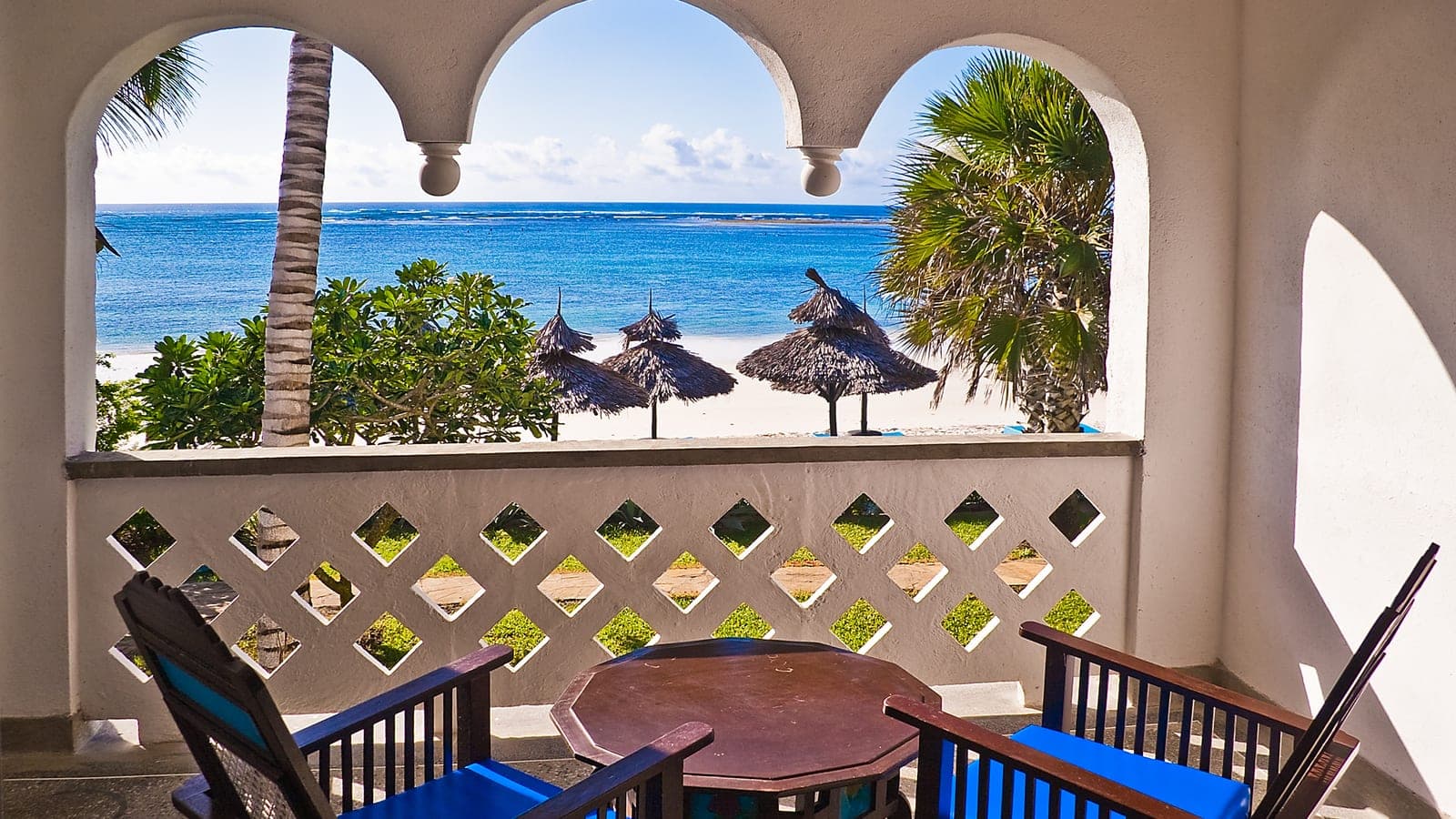
Repositioning sailings are the second-strongest case (after Alaska) for booking a balcony cabin. Travelers will spend meaningful time in the cabin across the sea days, and the balcony pays back as quiet personal space. Aft balconies in particular are the editorial pick — the wake view across consecutive sea days is genuinely beautiful.
The deeper read is in balcony vs. inside cabin — the honest math and choosing a cabin by ship class.
Who should not book a repositioning cruise
Travelers who need port-day stimulation will struggle with the long sea-day stretches. Travelers who get bored on a 7-night Caribbean by night four should not book a 14-night trans-Atlantic. Travelers traveling with younger kids will find the older demographic and the quieter onboard pace mismatched to the family rhythm — Disney does not run repositioning cruises in the same way as the mainstream lines, and Royal Caribbean's repositioning hulls are usually the older Voyager and Freedom-class ships rather than the family-focused Oasis and Icon classes.
Travelers prone to seasickness should also be cautious. The trans-Atlantic crossing in particular passes through some of the weather-prone waters in mainstream cruising; the spring eastbound is generally smoother than the fall westbound but neither is guaranteed calm.
Editorial methodology
Guides on My Cruise Checklist are researched against the editorial team's sailing logs, current published cruise-line collateral, and direct conversations with shoreside operations staff at the major lines. Pricing references are gathered as ranges across multiple booking windows and sailing seasons rather than single quotes, since cruise pricing moves daily and a single screenshot is rarely a useful reference 90 days later. Where a guide names a specific venue, package, or fare structure, the editorial team has either booked it directly within the prior 12 months or verified the details against a current cruise-line publication, never against a third-party aggregator.
Guides are reviewed on a 12-month cadence, with interim updates triggered by material changes — new cabin categories, restructured loyalty programs, replaced casual venues, or itinerary deployment shifts. Each update note is captured in the editorial changelog and surfaced on the article page so travelers can see exactly when a guide last reflected the live state of the product. Travelers planning sailings more than 18 months out should treat pricing references as directional rather than precise, since cruise lines reprice published fares twice yearly on average and quietly adjust included-package contents on a similar cadence.
The editorial team does not accept payment, free travel, or revenue-share arrangements from cruise lines, port operators, or travel agencies. The site has no affiliate links to booking engines and does not earn a commission on bookings made by readers. Reader-suggested corrections are reviewed within a week and, when verified, applied with an updated published date and a short changelog note. Editorial complaints, factual disputes, or requests to revisit a specific recommendation can be sent through the contact form linked from every page footer; replies typically land within three business days.
Related reading
Get the next ship review in your inbox.
One email per week with our latest cruise reviews and planning guides. No spam, no affiliate pitches, unsubscribe any time.
More on Planning
Accessibility at Sea — The Honest Guide
Cabin selection, embarkation, port-day logistics, and the lines that handle mobility, vision, and dietary needs the most adeptly.

Solo Cruise — Which Lines Actually Welcome Singles
Studio cabins, single supplements, and the lines that program for solo travelers rather than just charging the full cabin to one person.
Embarkation Day — The 2-Hour Window
The boarding window is the difference between a 25-minute embarkation and a 90-minute slog. Use it.