Embarkation Day — The 2-Hour Window
The boarding window is the difference between a 25-minute embarkation and a 90-minute slog. Use it.
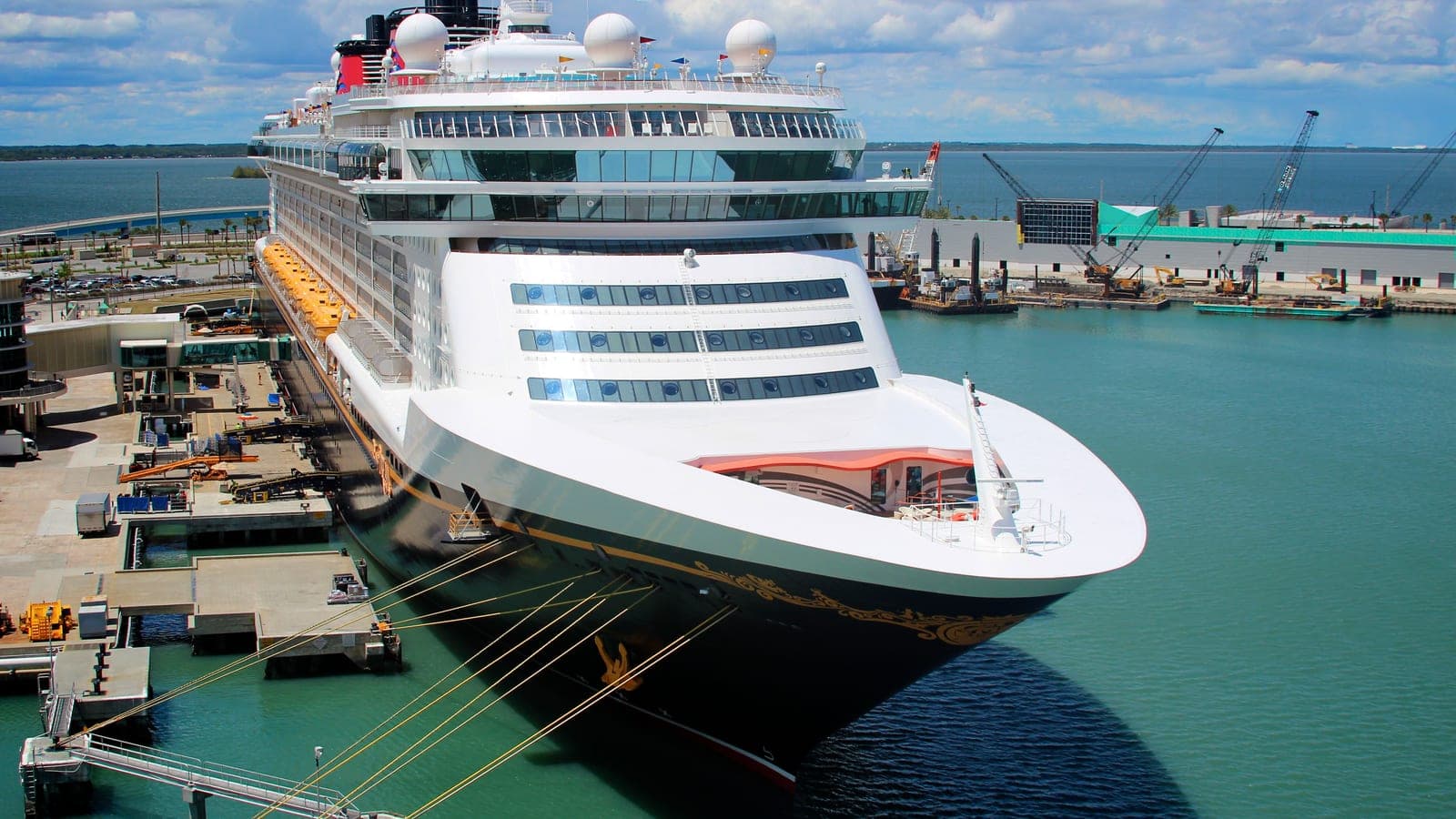
Embarkation day determines the rhythm of the entire week. Travelers who manage the 2-hour boarding window well are aboard within 25-40 minutes, in the buffet by lunch, and have specialty dining and key reservations locked by 2 p.m. Travelers who arrive at the wrong time spend 90 minutes in a holding hall and miss the limited inventory on the most popular bookings. This guide covers exactly how to use the assigned boarding window, what to do in the first two hours aboard, and the embarkation-day decisions that compound across the week.
The boarding window — what it is and why it matters
Every major mainstream line now assigns a specific 30-minute or 60-minute boarding window via the line's app, typically opening 30-90 days before sailing. The window is the line's terminal-flow management tool: arrive within the window and the embarkation moves quickly; arrive early or late and the embarkation backs up.
The practical implication: travelers should treat the assigned boarding window as the sole correct arrival time. Earlier arrivals are sent to a holding hall with limited seating until the window opens; later arrivals walk into the lunchtime crush when the late-window guests are converging. The windows that work most reliably are 11:00-12:00 and 11:30-12:30; the windows that struggle are 1:30-2:30 (when the late-arriving guests stack against the holding-hall release).
Arriving at the port
Travelers driving to the port should target the assigned window precisely. The cruise terminal parking garages are typically open from 9 a.m. The drop-off lanes have a 5-10 minute curbside window per car; porters take the checked bags directly from the curb and tag them for the cabin.
Travelers flying in the morning of embarkation should target an arrival window that allows 60-90 minutes between airport touchdown and pier arrival. For Miami, that means an MIA arrival no later than 9:30 a.m. for a noon boarding. For Port Canaveral, that means an MCO arrival no later than 10 a.m. The deeper read on home-port logistics is in the per-line review pages — the Carnival Celebration review covers PortMiami; the Disney Wish review covers Port Canaveral.
For any sailing of 7+ nights, The editorial team recommends a pre-cruise night near the port. The flight-delay risk is real and the cost of a missed embarkation is meaningfully higher than the hotel night.
Security and check-in
Cruise terminal security is similar to airport security but typically faster. Travelers should have:
- Passport (the most important document)
- Printed boarding pass or the app's QR code
- Credit card on file with the cruise line
- Day-of carry-on with medications, swimsuits, sunscreen, chargers, and the booking confirmation
Bags larger than carry-on are surrendered to porters at the curb. Check-in inside the terminal takes 5-15 minutes. Most lines now use facial-recognition check-in; the photo ID verification is automated.
Suite-class, top-tier loyalty, and Concierge guests use a separate priority line that typically clears in under 10 minutes total.
The first two hours aboard — the priority list
Once aboard, the first two hours determine the rhythm of the rest of the week. The priority list:
- Drop the carry-on at the cabin if the cabin is open (typically 1:30-2 p.m. on most lines; immediately on Disney). Otherwise the cabin opens at the line's standard time.
- Book specialty dining for the first night. Specialty restaurants are quietest and easiest on embarkation night. The line's app handles bookings in real-time; the more popular venues (150 Central Park on Royal, Le Bistro on Norwegian, Rudi's on Carnival) book out in the first 60 minutes.
- Book entertainment for the headline shows. Most lines now require advance show reservations; the popular venues (Aqua Action on Icon, Cirque at Sea on MSC, the Walt Disney Theatre on Disney) open booking on the app the moment travelers board.
- Get a drink and a buffet plate. The Lido buffet is the only meal option until the main dining room opens around 5:30-6 p.m. The drink package (if booked) activates the moment the keycard scans.
- Walk the ship. A 30-minute orientation walk identifies the bar venues, the gym, the spa entry, the theater, the kids' clubs, and the quiet corners. The walk pays back across the entire week.
- Confirm any special requests at Guest Services — accessibility needs, dietary accommodations, group bookings. The line's Guest Services desk runs the lightest queues during the first two hours; the queue gets longer through the afternoon.
Lifeboat drill
Lifeboat drill is mandatory on every sailing and now mostly digital. Travelers complete a 5-minute video module in the cabin, then check in at the muster station for a quick scan (typically just a tap of the keycard at the muster station's kiosk). The whole process takes 10-15 minutes.
The drill must be completed before the ship departs. Travelers who have not completed the drill by the published deadline (typically 30 minutes before sailaway) are paged over the public address system; if uncompleted by sailaway, the ship will not depart. The line takes this seriously — completing the drill in the first hour aboard is the editorial recommendation.
Sailaway
Sailaway is between 4 and 6 p.m. on most sailings — go to the deck for it once. The Lido deck typically runs a sailaway party with music and a bar special; the upper observation decks (forward) are the quieter spot for travelers who want the view without the crowd. Travelers in aft cabins can watch the sailaway from the balcony.
The sailaway window also marks the transition to the ship's regular daily rhythm. The dining-room evening service, the casino opening, and the entertainment venues all begin within an hour of sailaway. Travelers who paced the boarding day correctly will have completed all the priority tasks and can settle into the evening pace.
Embarkation-day mistakes to avoid
- Arriving outside the assigned window. The single most common mistake. Early arrivals wait in the holding hall; late arrivals walk into the lunchtime crush.
- Trying to use the spa or pool decks during the first hour. The spa thermal suite and the main pool deck do not open until later in the embarkation day — typically 2 p.m. for the spa, 4 p.m. for the pool deck.
- Skipping the lifeboat drill. Travelers who skip the drill block the ship from departing.
- Booking too many specialty dinners on day one. The first night specialty booking is the smart play; booking 5 nights of specialty in the first hour overcommits the dining schedule. Wait to see how the main dining room is.
- Not getting cash from the ATM at the terminal. Onboard ATMs charge $5-$10 per withdrawal; the terminal ATMs are typically free or low-fee. Travelers who plan to tip in cash should withdraw at the terminal.
Cabin reveal — what to do
Cabins typically open at 1:30-2 p.m. on most lines. The cabin steward typically introduces themselves on the first afternoon (between 2 and 5 p.m.). The introductory conversation is the right time to:
- Request extra pillows, a feather-free duvet, or any specific cabin preference
- Confirm the towel-and-laundry schedule (most lines now run twice-daily turndown)
- Mention any cabin-specific requests (an empty refrigerator, removal of the welcome champagne if travelers do not want it, allergy-aware turndown chocolates)
- Ask about the hidden cabin storage — every cruise cabin has 30-50% more storage than is immediately visible
A $5-$10 cash recognition for the steward at the start of the week is welcome but not required; the auto-gratuity covers the standard service. The deeper tipping read is in cruise tipping — what actually goes where.
What the buffet looks like on embarkation day
The Lido buffet on embarkation day is the most chaotic meal service of the week. The buffet opens with embarkation (typically 11 a.m.) and runs until 3-4 p.m. The crowd peaks at 12:30-2 p.m. as the bulk of the late-window boarders converge.
The practical strategies:
- Eat early (before 12:15) or late (after 2:30) to avoid the peak
- Use the carving station and the wok station for fresh-cooked plates
- Skip the dessert section on embarkation day — it is the worst version it will be all week
- The made-to-order omelet station (if open for late breakfast) is the most reliable plate
- The drink stations run dry quickly during peak — the bar venues are the better path for any beverage beyond water and lemonade
Editorial methodology
Guides on My Cruise Checklist are researched against the editorial team's sailing logs, current published cruise-line collateral, and direct conversations with shoreside operations staff at the major lines. Pricing references are gathered as ranges across multiple booking windows and sailing seasons rather than single quotes, since cruise pricing moves daily and a single screenshot is rarely a useful reference 90 days later. Where a guide names a specific venue, package, or fare structure, the editorial team has either booked it directly within the prior 12 months or verified the details against a current cruise-line publication, never against a third-party aggregator.
Guides are reviewed on a 12-month cadence, with interim updates triggered by material changes — new cabin categories, restructured loyalty programs, replaced casual venues, or itinerary deployment shifts. Each update note is captured in the editorial changelog and surfaced on the article page so travelers can see exactly when a guide last reflected the live state of the product. Travelers planning sailings more than 18 months out should treat pricing references as directional rather than precise, since cruise lines reprice published fares twice yearly on average and quietly adjust included-package contents on a similar cadence.
The editorial team does not accept payment, free travel, or revenue-share arrangements from cruise lines, port operators, or travel agencies. The site has no affiliate links to booking engines and does not earn a commission on bookings made by readers. Reader-suggested corrections are reviewed within a week and, when verified, applied with an updated published date and a short changelog note. Editorial complaints, factual disputes, or requests to revisit a specific recommendation can be sent through the contact form linked from every page footer; replies typically land within three business days.
Related reading
Get the next ship review in your inbox.
One email per week with our latest cruise reviews and planning guides. No spam, no affiliate pitches, unsubscribe any time.
More on Planning
Accessibility at Sea — The Honest Guide
Cabin selection, embarkation, port-day logistics, and the lines that handle mobility, vision, and dietary needs the most adeptly.

Solo Cruise — Which Lines Actually Welcome Singles
Studio cabins, single supplements, and the lines that program for solo travelers rather than just charging the full cabin to one person.

Repositioning Cruises — The Deep-Value Play
Trans-Atlantic and trans-Pacific repositioning sailings deliver more cruise per dollar than any other category. Here's how to use them.