First-Time Cruiser? Everything They Don't Tell You at Booking
The fifteen things a first-time cruiser actually needs to know — none of them about which excursion to book.
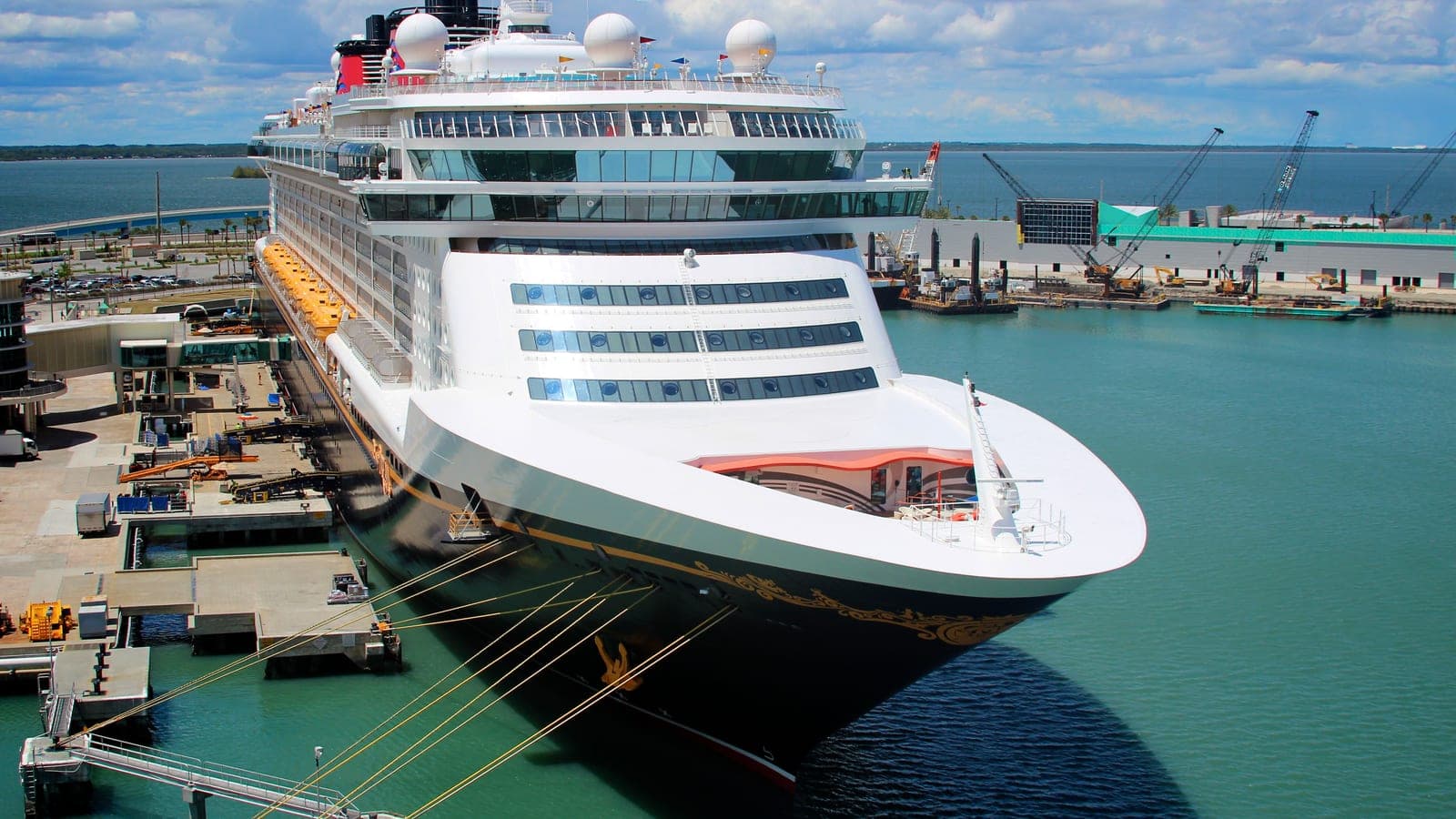
Booking the first cruise is a different exercise than booking a hotel and a flight. The line, the ship, the cabin location, the timing of every reservation, and the per-person daily incidentals stack into a final spend that can land 40-90% above the booked fare. The point of this guide is to put every meaningful first-time decision in one place — written third-person from the editorial team rather than as a checklist of marketing claims.
The total spend is bigger than the cabin price
The fare is the start, not the total. Drinks, specialty dining, gratuities, Wi-Fi, shore excursions, and crew appreciation routinely add 40-90% to the booked fare on a 7-night sailing. A realistic spend ladder for two adults in a balcony cabin on a mainstream Caribbean line lands around 1.7x the booked fare after the standard add-ons. Travelers who want a hard ceiling on the trip cost should pre-pay gratuities, pre-book Wi-Fi at the discount rate, and decide before sailing whether the drink package math works (see the drink packages — the real math breakdown).
Book the cabin location, not the deck number
Mid-ship cabins on lower decks are quieter and rock less. Aft cabins (rear of the ship) get the wake view and tend to be larger but vibrate when the engines work. Forward cabins on high decks rock the most in any swell. For travelers prone to motion sickness, the right pick is mid-ship deck 6-8. For travelers who want a quiet cabin, avoid the cabins directly above (or below) the main theater, the disco, and the pool deck. The deeper guide on cabin tier selection by ship class is choosing a cabin by ship class.
Embarkation day is a half-day, not a full day
Boarding usually opens between 11 a.m. and 1 p.m. and the buffet opens with it. Cabins are not ready until 1:30-2 p.m. on most lines. Lifeboat drill is mandatory and now mostly digital — travelers complete a video module in the cabin and check in at the muster station for a 5-minute scan. Sailaway is between 4 and 6 p.m. — go to the deck for it once. The embarkation day — the 2-hour window deeper guide covers how to use the boarding window to avoid both the early holding-hall wait and the late lunch crush.
The drink package math is a trap and also sometimes correct
The packages typically pay for themselves at 5-7 alcoholic drinks per day on most mainstream lines. For travelers who will average 3, skip it. For travelers who will average 7, buy it. The middle is where the cruise lines make the most margin. Pre-cruise pricing is usually 15-25% lower than onboard pricing. Coffee-only packages (Carnival's Bottomless Bubbles, MSC's Easy package) are reliably worth it for daily latte drinkers and break even at roughly two specialty coffees per day.
Specialty dining the first night is the smartest move
Specialty restaurants are quietest and easiest to book on embarkation night. Most main dining rooms are slightly disorganized that first evening — the server teams are still calibrating, the menu is the heaviest of the week, and the room is full of travelers who are still figuring out the dress code. Booking the first night in a specialty venue (a steakhouse on Royal Caribbean, Cagney's on Norwegian, Rudi's on Carnival) is the single strongest dining decision available on a 7-night sailing.
Wi-Fi is now usable but pricey
Starlink-based packages on the major lines are genuinely fast — fast enough to work from a cabin if necessary. Pricing is per-device and discounted heavily if booked before sailing. Most lines now sell 2-4 device packages at a discount; check before stacking single-device plans. For travelers with several devices in a family of four, the pre-cruise multi-device bundle is meaningfully cheaper than buying onboard. The deeper Wi-Fi at sea breakdown covers what each line offers.
The crew is not the customer
Tipping (or 'gratuities') is now baked into the fare on most lines. The auto-gratuity covers the room steward and dining staff. Cash tips for bartenders and standout servers are still appreciated. The full breakdown of which tips actually reach which crew member is in cruise tipping — what actually goes where. Travelers should plan to keep the auto-gratuity active rather than removing it; the operational impact on crew compensation is direct.
Port days are vacation; sea days are the cruise
The ship is full of people on a sea day. Pools fill up by 10 a.m. The first port day reveals what the ship actually feels like with most guests off. Travelers who want a quiet onboard morning should book a calm activity for the first port day's morning hours — a spa appointment, a galley tour (a paid extra on most lines, worth it for cooking-curious travelers), or simply a lap around the empty Promenade with a coffee.
Shore excursions are not always the right answer
For Caribbean stops, a beach within walking distance of the pier is often a better afternoon than a $129 catamaran tour. For European ports, the opposite is true — most travelers need a guide. The decision matrix between booking through the cruise line (with the safety net) versus booking independently (cheaper, but the ship leaves on time) is covered in shore excursions — book with line or independently. Cozumel, Nassau, and Coco Cay in particular reward independent planning; St. Petersburg, Naples, and Civitavecchia generally do not.
There will be a doctor visit at some point
Pack basic medications: ibuprofen, antihistamine, motion-sickness option (Bonine works for most travelers; the patch needs a prescription), basic stomach medication, and band-aids. The onboard medical center is competent but expensive and charges the credit card immediately, not insurance. Travel insurance with medical evacuation coverage is the prudent purchase for any sailing 7 nights or more.
Disembarkation is the worst part of the week
The buffet is chaotic, cabins need to be cleared by 8 a.m., and the gangway lines stretch. Walk-off (carry-your-own bags) is the fastest way off, and most lines now allow it without restriction. Travelers with later flights should book a debarkation lounge slot (a paid extra on most lines) — the alternative is the Lido buffet on its worst morning of the week.
Carry-on essentials
Pack a day bag with: medications, swimsuits, sunscreen, a light layer, and any chargers. Checked bags often do not appear in the cabin until 6-8 p.m. on embarkation day. The deeper packing list for a 7-night Caribbean covers the full category-by-category breakdown.
The kids' clubs are real
For families traveling with kids, the kids' clubs on Royal Caribbean, Carnival, MSC, and especially Disney are genuinely good. Use them. Kids will make friends and adults will get to read on a balcony. The line-by-line family ranking is in bringing kids on a cruise — honest line rankings.
The most-Googled FAQs at sea
Yes, there is laundry. Yes, travelers can bring sunscreen and basic snacks aboard. No, travelers cannot bring their own alcohol with the exception of a one-bottle wine carry-on allowance on most lines (Disney is the most generous; Norwegian charges a corkage on it). Yes, the casino is loose with smoking and tight with the slots — same as Vegas. Yes, the gift shops mark up everything roughly 40% over land prices and offer real discounts on the last day at sea on photos, jewelry, and watches.
The last night
The last night is when prices on photos, jewelry, and watches are deepest. The crew also remembers the week. A handwritten note to the room steward and head waiter goes further than a $20 tip — though both are appreciated. Travelers should also pack the night before debarkation; the ship's stewards collect outside-the-door luggage between 9 p.m. and 11 p.m. and travelers carrying their own off in the morning skip that step.
Editorial methodology
Guides on My Cruise Checklist are researched against the editorial team's sailing logs, current published cruise-line collateral, and direct conversations with shoreside operations staff at the major lines. Pricing references are gathered as ranges across multiple booking windows and sailing seasons rather than single quotes, since cruise pricing moves daily and a single screenshot is rarely a useful reference 90 days later. Where a guide names a specific venue, package, or fare structure, the editorial team has either booked it directly within the prior 12 months or verified the details against a current cruise-line publication, never against a third-party aggregator.
Guides are reviewed on a 12-month cadence, with interim updates triggered by material changes — new cabin categories, restructured loyalty programs, replaced casual venues, or itinerary deployment shifts. Each update note is captured in the editorial changelog and surfaced on the article page so travelers can see exactly when a guide last reflected the live state of the product. Travelers planning sailings more than 18 months out should treat pricing references as directional rather than precise, since cruise lines reprice published fares twice yearly on average and quietly adjust included-package contents on a similar cadence.
The editorial team does not accept payment, free travel, or revenue-share arrangements from cruise lines, port operators, or travel agencies. The site has no affiliate links to booking engines and does not earn a commission on bookings made by readers. Reader-suggested corrections are reviewed within a week and, when verified, applied with an updated published date and a short changelog note. Editorial complaints, factual disputes, or requests to revisit a specific recommendation can be sent through the contact form linked from every page footer; replies typically land within three business days.
Related reading
Get the next ship review in your inbox.
One email per week with our latest cruise reviews and planning guides. No spam, no affiliate pitches, unsubscribe any time.