Alaska Cruises — Which Itinerary, Which Line
Glacier Bay, Hubbard, Tracy Arm — the itinerary picked matters more than the line. Here is how to choose both.
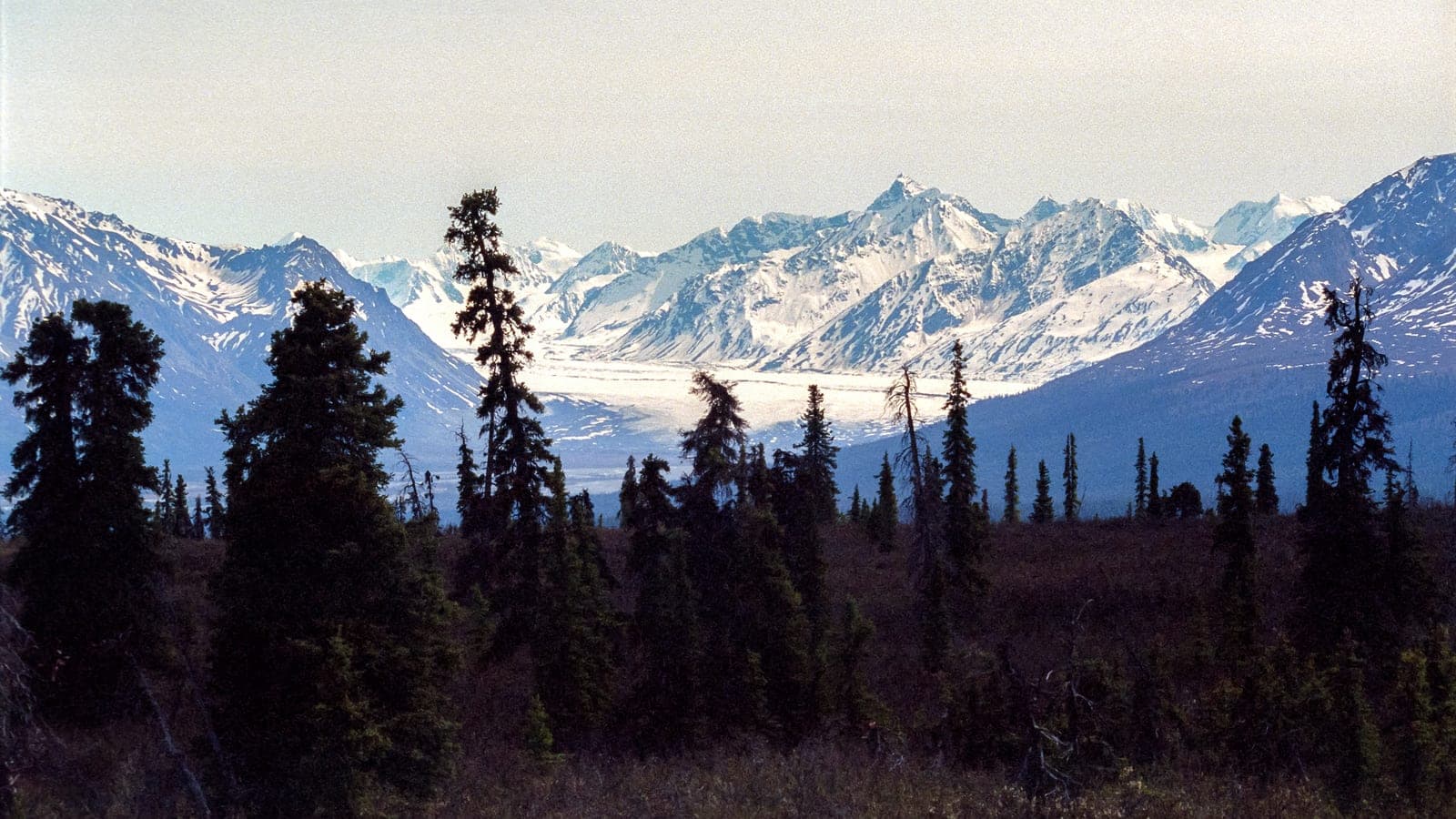
Alaska is the rare cruise destination where the itinerary determines the experience more than the ship. The two key questions: which glacier, and round-trip or one-way? Travelers who get those right will have a strong week regardless of which line they book; travelers who get them wrong will spend the cruise wishing they had been on the next ship over. This guide covers the glacier choices, the home-port choices, the line-by-line strengths, and the pre/post-cruise add-ons that are genuinely worth the money.
Itinerary first, line second
The Alaska itinerary determines roughly 70% of the week. The line determines the food, the cabin, and the onboard programming, but the actual reason most travelers book Alaska — the glacier day, the wildlife sightings, the small-town port days at Skagway and Juneau — is determined by the route the ship sails. Travelers should pick the itinerary first and pick the line that runs the strongest version of that itinerary second.
Glacier Bay vs. Hubbard vs. Tracy Arm
Glacier Bay is the gold-standard Alaska scenic day. The National Park Service permits are limited — Princess and Holland America have the most days, Royal Caribbean and Norwegian have fewer. The day includes a Park Service ranger boarding the ship at the entry point and narrating the entire approach. The Margerie Glacier face is the headline view; calving events happen multiple times per visit on a typical day.
Hubbard Glacier is the most active calving glacier travelers can reach by cruise ship. Ships cruise within a few hundred yards of the face. A great alternative when Glacier Bay is not on the itinerary, and arguably the more visually dramatic choice for travelers who care about active calving. The ship typically holds at the face for 90-120 minutes.
Tracy Arm is a narrow fjord with the Sawyer Glaciers at the end. Some ships cannot navigate it; many days the ice prevents close approach. Less reliable but spectacular when it works. Travelers booking a Tracy Arm itinerary should treat the visit as a bonus rather than a guaranteed highlight.
Endicott Arm is the smaller, more reliable cousin to Tracy Arm and the most common 'bonus' scenic-cruising day on Alaska itineraries that do not include Glacier Bay or Hubbard. The Dawes Glacier at the end is meaningfully smaller than Hubbard but the fjord approach is genuinely beautiful.
Round-trip vs. one-way
Round-trip from Seattle or Vancouver is the easiest logistically. Travelers return to where they started, no one-way flights needed. The Seattle round-trip itineraries spend a sea day at the start and end of the week (the Inside Passage requires the time); the Vancouver round-trip itineraries are tighter on port days but skip the sea-day padding.
One-way (typically Vancouver to Seward/Whittier or vice-versa) is the better cruise. Travelers see more new coastline, more glaciers, and can pair it with an inland Denali tour (the cruise-line land tours are genuinely well-organized and a meaningful part of the Alaska experience). The trade-off is a one-way flight on each end and the higher cost of the inland add-on.
For travelers booking their first Alaska cruise, The editorial team recommends a one-way Vancouver-to-Seward sailing with the cruise line's 4-7 night land tour through Denali and Anchorage.
Lines, briefly
Princess — the deepest Alaska experience. Most Glacier Bay days, the strongest Alaska-themed onboard programming (the Discovery at Sea and North to Alaska programs are genuinely substantive), the top pre/post cruise tour packages, and the line's own Denali lodge property. Princess is the editorial pick for travelers who want the most Alaska-immersive cruise.
Holland America — the same approximately, with a slightly older onboard demographic and the strongest culinary program in the Alaska segment. The line's Glacier Bay days are equivalent to Princess's; the onboard pace is slightly quieter.
Norwegian — strong itinerary variety, the only US-flagged cruise option from Hawaii (Pride of America) for travelers who want to add a different Pacific destination as a separate trip. Norwegian's Alaska ships are the smallest of the major lines and the most port-focused.
Royal Caribbean — ideal for families, but fewer Glacier Bay slots. Quantum-class ships in Alaska are the leading big-ship Alaska hardware. The North Star observation pod is genuinely a useful Alaska viewing platform.
Celebrity — the leading ships in Alaska on a hardware basis, particularly Solstice and Edge-class. Limited Glacier Bay days, but the strongest food and the strongest evening pace for couples.
Disney — the most expensive option; superb for families with younger kids. Disney runs limited Alaska sailings and the booking window opens early.
Ports — what each one delivers
Juneau — the state capital and a deep port. The Mendenhall Glacier visit (whale watching add-on or independent), the Mount Roberts tramway, and the salmon bake at Macaulay Salmon Hatchery are the standouts. Juneau is the top port for a single high-value half-day excursion (whale watching; the tour boats out of Auke Bay deliver consistent humpback sightings).
Skagway — the smallest port and the most preserved gold-rush town. The White Pass and Yukon Route Railway is the headline excursion — a 3.5 hour scenic train ride through the gold-rush mountains and worth the cost. The downtown is walkable and genuinely historic.
Ketchikan — the rainiest port in Alaska (literally — 152 inches per year average), the strongest Native cultural sites (Saxman Village, Totem Heritage Center), and the leading independent flightseeing options. The Misty Fjords flight is the editorial standout.
Icy Strait Point — the smallest cruise destination on most Alaska itineraries. The world's longest zipline (ZipRider) is the headline; the salmon and halibut fishing tours are reliable; whale watching is excellent. Travelers should treat Icy Strait Point as a wilderness day rather than a town visit.
Sitka — added to more itineraries in recent years. The Russian heritage, the Sitka National Historical Park, and the Alaska Raptor Center are the standouts. The wildlife quotient is high.
When to go
Mid-May to mid-June — fewer crowds, lower prices, longer daylight (18+ hours by the solstice), and a chance of bear sightings on early-spring grass. The trade-off is some risk of cooler weather and the possibility of less-active wildlife. The shoulder-season pricing makes this the editorial value pick.
Late June through August — peak season, peak weather (50s-60s typical), peak prices, peak wildlife activity. The most reliable salmon runs (peak July) drive the highest concentrations of bears and eagles.
September — the northern lights become possible toward the end of the month, fewer mosquitoes, salmon runs at their peak in the early part of the month. The trade-off is shorter daylight and increasing rain probability. September is the editorial pick for travelers prioritizing wildlife and scenery over warmth.
Pre-cruise and post-cruise add-ons
The cruise lines all sell land-tour packages that pair with the one-way Alaska itineraries. Princess and Holland America run the deepest options — multi-night stays at company-owned wilderness lodges in Denali, Talkeetna, and on the Kenai Peninsula. The land tours are not cheap (often $1,800-$3,200 per person on top of the cruise) but they deliver Denali and the Alaska Railroad scenic-domes in a way independent travel does not match for first-time visitors.
For travelers willing to plan independently, Anchorage-to-Denali via the Alaska Railroad GoldStar dome car (booked direct), one or two nights at a Denali-area cabin lodge, and a day in the park on the green shuttle bus is roughly half the cost of the cruise-line equivalent and arguably the more interesting trip.
Wildlife expectations
Alaska is the rare cruise destination where wildlife sightings are the editorial highlight rather than a side note. A typical 7-night sailing will deliver: humpback whales (almost guaranteed at the Juneau whale-watching excursion), bald eagles (constant), sea otters (constant in port), bears (likely on a Misty Fjords flightseeing or Icy Strait excursion), Dall sheep and mountain goats (visible from the deck on a Hubbard or Glacier Bay day), and orcas (about 30% of sailings). Pack binoculars; the cruise-line rental binoculars are heavy and worn.
Cabin selection for Alaska
Alaska is the one itinerary where the editorial team unambiguously recommends booking a balcony cabin. The scenery is the entire point of the week, and the ability to step outside in pajamas at 5 a.m. when the captain announces a bear sighting is the difference between a great Alaska cruise and a good one. Aft cabins on the starboard side typically deliver the strongest wake-and-coastline views on northbound itineraries; the reverse on southbound. The deeper read is in choosing a cabin by ship class.
Editorial methodology
Guides on My Cruise Checklist are researched against the editorial team's sailing logs, current published cruise-line collateral, and direct conversations with shoreside operations staff at the major lines. Pricing references are gathered as ranges across multiple booking windows and sailing seasons rather than single quotes, since cruise pricing moves daily and a single screenshot is rarely a useful reference 90 days later. Where a guide names a specific venue, package, or fare structure, the editorial team has either booked it directly within the prior 12 months or verified the details against a current cruise-line publication, never against a third-party aggregator.
Guides are reviewed on a 12-month cadence, with interim updates triggered by material changes — new cabin categories, restructured loyalty programs, replaced casual venues, or itinerary deployment shifts. Each update note is captured in the editorial changelog and surfaced on the article page so travelers can see exactly when a guide last reflected the live state of the product. Travelers planning sailings more than 18 months out should treat pricing references as directional rather than precise, since cruise lines reprice published fares twice yearly on average and quietly adjust included-package contents on a similar cadence.
The editorial team does not accept payment, free travel, or revenue-share arrangements from cruise lines, port operators, or travel agencies. The site has no affiliate links to booking engines and does not earn a commission on bookings made by readers. Reader-suggested corrections are reviewed within a week and, when verified, applied with an updated published date and a short changelog note. Editorial complaints, factual disputes, or requests to revisit a specific recommendation can be sent through the contact form linked from every page footer; replies typically land within three business days.
Related reading
Get the next ship review in your inbox.
One email per week with our latest cruise reviews and planning guides. No spam, no affiliate pitches, unsubscribe any time.